Faith in the Conference Room: How Muslim Professionals Bring Quranic Values to the American Workplace
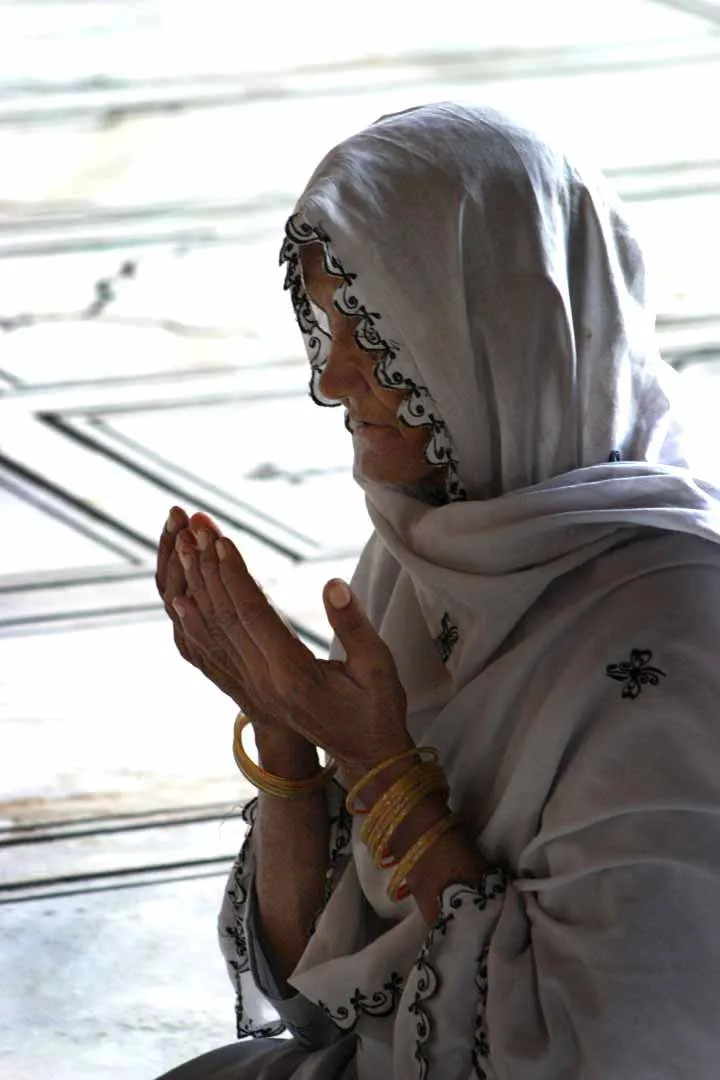
Photo: Steve Evans from Citizen of the World, CC BY 2.0, via Wikimedia Commons
For Muslim professionals across the United States, the workplace is not simply a space for career advancement — it is an arena where faith is quietly, consistently practiced. From navigating prayer schedules to applying Quranic ethics in high-stakes negotiations, American Muslims are finding meaningful ways to honor their spiritual commitments without compromising their professional standing.
The Quran does not draw a sharp boundary between the sacred and the secular. Rather, it presents all of human life — including labor, commerce, and professional conduct — as an opportunity for worship and moral refinement. Understanding this framework transforms the daily grind into something far more purposeful.
Salah in the Skyscraper: Finding Space for Prayer
One of the most immediate practical challenges Muslim employees face is performing the five daily prayers within a conventional workday. Dhuhr (midday) and Asr (afternoon) prayers fall squarely within standard business hours, requiring anywhere from five to fifteen minutes of focused, undisturbed time.
Many Muslim professionals across cities like New York, Chicago, Houston, and Los Angeles have developed quiet strategies for making this work. Some identify unused conference rooms or meditation spaces designated by HR departments. Others coordinate with sympathetic managers to align prayer times with existing break schedules. In companies with established employee resource groups (ERGs) for Muslim staff, dedicated prayer rooms have become increasingly common.
The legal landscape also matters here. Title VII of the Civil Rights Act requires employers to make reasonable accommodations for employees' religious practices, including prayer. Knowing this right — and communicating it professionally — empowers Muslim workers to advocate for their needs without fear.
The Quran itself speaks to this balance. In Surah Al-Jumu'ah (62:10), believers are instructed: "When the prayer is concluded, disperse through the land and seek the bounty of Allah." This verse frames work not as a departure from worship but as its natural continuation — a reminder that professional effort, pursued with integrity, is itself a form of devotion.
Ramadan at the Office: Managing the Month of Fasting Professionally
Ramadan presents a unique set of challenges for working Muslims. Fasting from dawn to sunset while maintaining full professional productivity demands careful planning, honest communication, and a measure of grace — both from employers and from oneself.
Seasoned Muslim professionals often recommend transparency without oversharing. Informing a direct manager that you are fasting and may prefer lighter lunch meetings, for instance, is both practical and professionally appropriate. Many find that colleagues respond with genuine curiosity and respect when Ramadan is explained simply and confidently.
Energy management becomes critical. Scheduling cognitively demanding tasks — presentations, complex analyses, client calls — for morning hours when alertness is highest is a strategy many Muslim professionals swear by. Late afternoons, when energy typically dips near the end of the fast, can be reserved for administrative work or asynchronous correspondence.
The spiritual dimension of Ramadan also sharpens workplace ethics in meaningful ways. Increased Quran recitation during the month — whether through a live recitation session before Fajr or a brief listening session during a commute — tends to heighten a professional's sense of accountability. The Quranic emphasis on sabr (patience) and shukr (gratitude) becomes not merely a theological concept but a lived professional posture.
Integrity, Justice, and the Quranic Professional Ethic
Beyond scheduling logistics, the Quran offers a profound ethical framework that shapes how Muslim professionals approach their work at a fundamental level.
Surah An-Nisa (4:135) commands believers to "be persistently standing firm in justice, witnesses for Allah, even if it be against yourselves or parents and relatives." In a workplace context, this verse speaks directly to whistleblowing, honest performance reviews, fair hiring practices, and the courage to raise concerns about unethical conduct — even when doing so is professionally inconvenient.
Similarly, Surah Al-Mutaffifin (83:1-3) warns those who take full measure when receiving but give less than due when delivering. Applied professionally, this is a reminder that cutting corners, padding timesheets, or misrepresenting deliverables is not merely a policy violation — it is a spiritual failure.
Many Muslim professionals describe the Quran's teachings on amanah (trustworthiness) as the cornerstone of their workplace identity. Being the colleague who delivers on promises, who keeps confidences, and who handles resources responsibly is, in the Islamic framework, an act of worship — not merely a career strategy.
Building Inclusive Faith Culture Without Proselytizing
American workplaces are pluralistic environments, and Muslim professionals are generally not seeking to convert colleagues. What many do seek, however, is a work culture that acknowledges and accommodates religious diversity with genuine respect.
Muslim employees who serve on DEI committees or in HR roles often find natural opportunities to advocate for inclusive policies — multi-faith prayer rooms, flexible holiday scheduling, and food options that accommodate halal dietary needs at company events. These contributions benefit colleagues of all faiths and none.
At the same time, the Quran's wisdom frequently resonates across religious and cultural lines. A Muslim manager who leads with compassion, who gives honest feedback with kindness, or who mediates workplace conflict with fairness is embodying Quranic values — often without needing to name them as such. The Prophet Muhammad (peace be upon him) said, "The best of people are those who are most beneficial to others." In the American workplace, that standard translates fluently.
Recitation as a Reset: Spiritual Anchoring During the Workday
For many Muslim professionals, brief moments of Quranic engagement serve as essential psychological anchors throughout the day. Listening to a short recitation during a morning commute, reciting Ayat al-Kursi (2:255) before a high-stakes meeting, or pausing to recall a memorized verse during a stressful afternoon can recalibrate focus and intention in ways that no productivity app can replicate.
Platforms like Live Quran make this accessible in practical, modern formats — offering recitations that can be streamed discreetly, studied during lunch breaks, or revisited in the quiet moments before the workday begins. The goal is not to segment life into religious and professional halves, but to weave spiritual awareness through every hour.
The Quran envisions the believer as whole — not divided between mosque and office, between faith and function. For American Muslims navigating demanding careers, that vision is not an idealistic abstraction. It is a daily, disciplined, deeply rewarding practice.